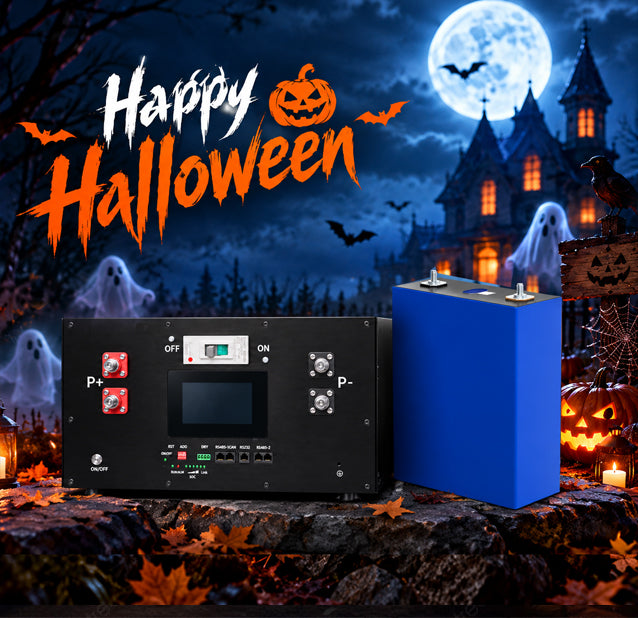
Why did we choose a DIY home energy storage battery?
In recent years, home energy solutions have gone from being a niche interest for tech enthusiasts to a mainstream topic discussed by homeowners, solar installers, and sustainability advocates alike. Rising electricity prices, frequent grid instability, and the growing desire for energy independence have pushed many families to rethink how they store and use electricity. Within this shift, one option stands out for its flexibility and value: the diy battery.
Choosing a DIY home energy storage battery is not just about saving money—it’s about control, customization, and understanding your own energy system. From solar integration to backup power during outages, a diy battery empowers homeowners to actively participate in their energy future instead of relying entirely on utility companies or pre-packaged solutions.
This article explores in depth why so many people, across different regions and usage scenarios, are turning toward DIY home energy storage batteries. We will examine technical, economic, and practical reasons, supported by real-world considerations, to help you understand whether a diy battery approach is the right choice for your home.
- diy battery and the evolution of home energy storage
- diy battery cost advantages and long-term savings
- Diy battery customization for real-world needs
- diy battery safety and reliability considerations
- diy battery maintenance and transparency
- diy battery and energy independence
- diy battery environmental impact and sustainability
- diy battery learning curve and community support
- diy battery challenges and realistic expectations
- diy battery future trends and innovation
- diy battery conclusion: why we made the choice
diy battery and the evolution of home energy storage
Home energy storage has evolved dramatically over the past decade. Early systems were bulky, expensive, and limited in lifespan. Today, thanks to advancements in lithium battery chemistry—especially LiFePO4—energy storage is safer, more efficient, and more accessible than ever. The diy battery movement emerged as a natural response to these improvements.
Unlike traditional plug-and-play systems, a diy battery allows users to select individual components such as cells, battery management systems (BMS), inverters, and enclosures. This modularity reflects a broader trend in technology: people want systems they can understand, modify, and expand.
diy battery vs traditional energy storage systems
Commercial home batteries are designed for simplicity. You buy a finished product, mount it on the wall, and connect it to your inverter or grid. While convenient, these systems often come with higher costs, proprietary components, and limited upgrade paths.
A diy battery, on the other hand, offers transparency. You know exactly what cells are inside, how the BMS works, and how the system communicates with other devices. For many homeowners, this knowledge alone is a major advantage.
diy battery as part of the renewable energy transition
Renewable energy adoption depends not only on generation but also on storage. Solar panels produce power during the day, but homes need electricity around the clock. A diy battery bridges this gap, enabling homeowners to store excess solar energy and use it when needed, maximizing self-consumption and reducing reliance on the grid.
diy battery cost advantages and long-term savings
One of the most compelling reasons people choose a diy battery is cost. Prebuilt energy storage systems often include significant markups for branding, installation, and proprietary technology. While these systems may offer warranties and support, they can be financially out of reach for many households.
By contrast, a diy battery allows you to pay primarily for raw components. High-quality LiFePO4 cells, when sourced responsibly, provide excellent cycle life at a fraction of the cost of branded systems.
diy battery upfront investment vs lifetime value
Although building a diy battery requires an upfront investment of time and learning, the lifetime value can be substantial. Many LiFePO4 cells are rated for 6,000 cycles or more, meaning a well-designed diy battery can last over a decade with minimal degradation.
When you calculate cost per kilowatt-hour over the system’s lifespan, DIY solutions often outperform commercial alternatives.
diy battery scalability and phased investment
Another financial benefit is scalability. You don’t need to build your entire system at once. A diy battery can start small—perhaps 5 kWh—and expand as your energy needs grow. This phased approach reduces financial pressure and allows upgrades over time.
diy battery customization for real-world needs
Every household uses energy differently. Some prioritize backup power for critical appliances, while others aim to maximize solar self-consumption or reduce peak-time electricity costs. A diy battery excels in adapting to these diverse needs.
diy battery capacity and voltage flexibility
Commercial systems usually come in fixed capacities and voltages. A diy battery lets you choose configurations such as 48V systems for residential solar setups or higher-voltage arrangements for specialized applications.
This flexibility is especially valuable for off-grid homes, RVs, workshops, and hybrid solar systems.
diy battery integration with existing inverters
Many modern inverters support communication protocols that work well with DIY setups. With the right BMS, a diy battery can communicate via CAN or RS485, ensuring safe charging and discharging while maintaining compatibility with popular inverter brands.
diy battery safety and reliability considerations
Safety is often the first concern raised when discussing DIY energy storage. While it’s true that improper design can be risky, modern diy battery systems can be extremely safe when built with the right components and knowledge.
diy battery chemistry choices
LiFePO4 chemistry has become the gold standard for DIY systems due to its thermal stability and long cycle life. Compared to other lithium chemistries, it is far less prone to thermal runaway, making it ideal for residential use.
diy battery management systems (BMS)
A high-quality BMS is the heart of any diy battery. It monitors voltage, current, temperature, and state of charge, protecting both the cells and the connected equipment. Choosing a reliable BMS significantly reduces risk and enhances system longevity.
diy battery maintenance and transparency
One often overlooked advantage of a diy battery is ease of maintenance. When something goes wrong in a commercial system, you may be locked into the manufacturer’s service network. With DIY, troubleshooting becomes more straightforward.
diy battery repairability
If a single cell fails in a diy battery, it can often be replaced without discarding the entire system. This repairability reduces waste and long-term costs, aligning with sustainable living principles.
diy battery monitoring and data access
DIY systems often provide direct access to performance data. Monitoring voltage, current, and temperature in real time helps users optimize usage patterns and detect issues early.
diy battery and energy independence
Energy independence is about more than just saving money. It’s about resilience, security, and freedom from unpredictable grid behavior.
A diy battery empowers homeowners to take ownership of their energy infrastructure. During outages, it can keep essential systems running. During peak pricing periods, it can reduce grid dependence. Over time, this independence translates into peace of mind.
diy battery in off-grid and hybrid systems
For off-grid homes, a diy battery is often the most practical solution. It allows full customization based on available solar generation, seasonal usage, and backup requirements. Hybrid systems also benefit, combining grid power with solar and storage to optimize costs and reliability.
diy battery environmental impact and sustainability
Sustainability is a key motivation for many DIY adopters. By choosing durable components and extending system life through repair and upgrades, a diy battery reduces electronic waste.
diy battery lifecycle efficiency
Long cycle life means fewer replacements over time. Combined with renewable generation, this efficiency lowers the overall carbon footprint of household energy use.
diy battery reuse and second-life applications
Some DIY enthusiasts even explore second-life battery cells from electric vehicles, further enhancing sustainability while reducing costs.
diy battery learning curve and community support
Building a diy battery does require learning. However, this learning process is often seen as a benefit rather than a drawback.
diy battery knowledge empowerment
Understanding how your energy system works builds confidence and reduces reliance on external service providers. Many users find this empowerment deeply satisfying.
diy battery communities and shared knowledge
Online forums, video tutorials, and open-source projects have created a strong support network. New builders can learn from experienced users, avoiding common mistakes and improving system design.
diy battery challenges and realistic expectations
While the benefits are significant, it’s important to acknowledge challenges. DIY systems may not come with the same warranties as commercial products, and responsibility for safety and compliance rests with the builder.
However, for many homeowners, these challenges are outweighed by flexibility, cost savings, and long-term value.
diy battery future trends and innovation
As battery technology continues to evolve, diy battery systems are likely to become even more accessible. Improved BMS features, standardized communication protocols, and better educational resources will lower barriers for new users.
The DIY approach aligns well with the broader trend toward decentralized energy systems and smart homes.
diy battery conclusion: why we made the choice
Ultimately, we chose a DIY home energy storage battery because it aligns with our values: control, transparency, sustainability, and long-term savings. A diy battery is not just a piece of hardware—it’s a statement about how we engage with energy.
By understanding our system, customizing it to our needs, and maintaining it over time, we gain independence from rising electricity costs and greater resilience against uncertainty. In the final analysis, choosing a diy battery is about taking an active role in shaping a smarter, more sustainable energy future.
In the coming years, as more households explore renewable solutions, the diy battery will continue to play a central role in empowering homeowners and redefining how we think about energy at home.