Zum Inhalt springen

Kontaktieren Sie uns, erhalten Sie 5% Rabatt

Willkommen im Wistek Store

Sommerangebote, automatischer Rabatt

Kundendienst 008618100274609

Wissen

Schutzschalter an positivem oder negativem Anschluss bei DIY-Batterien?

von chenli fang 17 Mar 2026 0 Kommentare

Beim Zusammenbau eines DIY-Batteriesystems ist eine der häufigsten Sicherheitsfragen, wo der Leitungsschutzschalter installiert werden sollte – am Pluspol oder am Minuspol. Die kurze und praktischste Antwort lautet: In den meisten Batteriesystemen sollte der Leitungsschutzschalter am Pluspol installiert werden. Diese Konfiguration entspricht gängigen elektrischen Sicherheitsstandards, vereinfacht die Systemisolation und reduziert das Risiko von versehentlichen Kurzschlüssen bei Arbeiten am System.

Dennoch kann die Platzierung eines Leitungsschutzschalters auf der negativen Seite elektrisch funktionieren, und in einigen speziellen Anwendungen kann dies absichtlich erfolgen. Das Verständnis der technischen Unterschiede zwischen diesen beiden Installationsmethoden ist wichtig für jeden, der ein DIY-Lithium-Batteriepack, ein Solarspeichersystem, eine Wohnmobil-Batteriebank oder eine netzunabhängige Stromversorgung aufbaut.

In diesem Artikel werden wir die elektrischen Prinzipien, Sicherheitsauswirkungen, Industriepraktiken und praktische Installationsempfehlungen detailliert erläutern. Am Ende werden Sie ein klares Verständnis dafür haben, wie sich ein Leitungsschutzschalter verhält, wenn er auf der positiven oder negativen Seite eines Batteriesystems platziert wird, und welche Konfiguration für DIY-Bauer sicherer und praktischer ist.

15kWh diy box 250A circuit breaker

Die Rolle eines Leitungsschutzschalters in DIY-Batteriesystemen verstehen

Bevor die Installationsorte verglichen werden, ist es wichtig zu verstehen, was ein Leitungsschutzschalter tatsächlich in einem Batteriesystem leistet.

Ein Leitungsschutzschalter ist eine automatische elektrische Schutzeinrichtung, die den Stromfluss unterbricht, wenn der Strom einen sicheren Wert überschreitet. In DIY-Lithium-Batteriesystemen – insbesondere LiFePO4-Packs, die für Solarenergiespeicherung, Wohnmobile, Marineanwendungen und netzunabhängige Stromversorgung verwendet werden – erfüllt der Schutzschalter drei Hauptzwecke:

  1. Überstromschutz

  2. Kurzschlussschutz

  3. Manuelle Systemisolation

Im Gegensatz zu einer Sicherung kann ein Leitungsschutzschalter nach dem Auslösen zurückgesetzt werden. Dies macht ihn besonders nützlich für Systeme, die regelmäßige Wartung oder Fehlerbehebung erfordern.

Überstromschutz

Lithiumbatterien können extrem hohe Ströme liefern. Wenn Kabel, Stromschienen oder Komponenten unterdimensioniert sind, kann übermäßiger Strom zu Überhitzung oder sogar zu Bränden führen. Ein Leitungsschutzschalter löst aus, wenn der Strom den Nennwert überschreitet.

Kurzschlussschutz

Ein Kurzschluss ermöglicht den Stromfluss direkt von Plus nach Minus mit minimalem Widerstand. Dies kann bei großen Lithiumbatterien Tausende von Ampere erzeugen. Ein ordnungsgemäß dimensionierter Leitungsschutzschalter unterbricht den Strom, bevor katastrophale Schäden auftreten.

Manuelle Trennung

Viele Bauherren nutzen den Schutzschalter auch als Schalter. Das Ausschalten des Leitungsschutzschalters trennt die Batterien vollständig vom System für Wartungsarbeiten.


Warum die meisten elektrischen Systeme den Leitungsschutzschalter am Pluspol platzieren

In nahezu allen Gleichstrom-Elektrostandards – Automobil, Marine, Solar und Telekommunikation – wird der Leitungsschutzschalter am Plusleiter installiert.

Dafür gibt es mehrere technische und sicherheitstechnische Gründe.

Isolation des stromführenden Leiters

Das Pluskabel wird in einem Gleichstromsystem typischerweise als „heißer Leiter“ betrachtet.

Wenn der Leitungsschutzschalter auf der positiven Seite platziert wird:

  • Der stromführende Leiter kann vollständig getrennt werden

  • Die Lastseite wird elektrisch isoliert

  • Wartungsarbeiten werden sicherer

Wenn der Schutzschalter auslöst, verliert das gesamte nachgeschaltete System die spannungsführende Plusleitung.

Reduziertes Risiko bei Wartungsarbeiten

Stellen Sie sich vor, Sie arbeiten an einem Wechselrichter oder einem Solarladeregler.

Wenn der Leitungsschutzschalter auf der Plusseite ist:

  • Das Ausschalten nimmt die Spannung vom Gerät

  • Unbeabsichtigter Werkzeugkontakt führt seltener zu einem Kurzschluss

Ist der Schutzschalter jedoch auf der negativen Seite installiert, kann das Pluskabel auch bei ausgeschaltetem Schutzschalter noch unter Spannung stehen.

Einhaltung elektrischer Standards

Die meisten professionellen elektrischen Standards folgen dieser Regel:

  • Ungeschützten Leiter unterbrechen

In Gleichstromsystemen wird die Plusleitung typischerweise als ungeerdeter Leiter betrachtet.

Daher stimmt die Installation des Leitungsschutzschalters am Pluspol mit der weithin anerkannten elektrotechnischen Praxis überein.


Wie ein Leitungsschutzschalter funktioniert, wenn er am Minuspol installiert wird

Obwohl es weniger üblich ist, kann ein Leitungsschutzschalter technisch auf der negativen Seite eines Batteriesystems funktionieren.

Aus rein elektrischer Sicht ist der Stromfluss in beiden Leitern gleich. Daher unterbricht das Unterbrechen eines der beiden Drähte den Stromkreis.

Das elektrische Verhalten bleibt identisch

Elektronen fließen in einem geschlossenen Kreis:

Batterie → Last → Rückweg → Batterie.

Wenn ein Leitungsschutzschalter einen der Leiter unterbricht, wird der Kreislauf unterbrochen und der Strom stoppt.

Daher:

  • Positiver Schutzschalter → Strom stoppt

  • Negativer Schutzschalter → Strom stoppt

Funktionell funktionieren beide.

Der Unterschied zeigt sich bei Fehlern und Wartung

Das Hauptproblem ist, was unter Spannung bleibt, wenn der Schutzschalter öffnet.

Wenn der Leitungsschutzschalter am Minuspol ist:

  • Die gesamte positive Verdrahtung des Systems bleibt unter Spannung

  • Geräte können intern weiterhin Spannung aufweisen

Dies kann beim Warten von Geräten unerwartete Gefahren hervorrufen.

Siehe auch:In DIY LiFePO4 Battery Builds, What Is the Difference Between Using Busbars and Silicone Wires?


Platzierung des Leitungsschutzschalters und Kurzschlussrisiko

Eines der größten Bedenken bei DIY-Batteriesystemen sind versehentliche Kurzschlüsse.

Positive-Seiten-Schutz

Wird der Leitungsschutzschalter in der Nähe des Pluspols der Batterie installiert:

  • Jeder nachgeschaltete Kurzschluss löst eine sofortige Unterbrechung aus

  • Der größte Teil der Systemverkabelung wird spannungsfrei

Dies reduziert das Brandrisiko drastisch.

Negative-Seiten-Schutz

Wenn der Leitungsschutzschalter am Minuskabel platziert wird:

  • Das Pluskabel von der Batterie bleibt unter Spannung

  • Wenn das Pluskabel das Chassis oder die Masse berührt, kann es immer noch zu einem Kurzschluss kommen

Aus diesem Grund halten viele Ingenieure den Schutz auf der positiven Seite für sicherer.

Schutzabstand

Eine weitere kritische Regel für die Installation eines Leitungsschutzschalters ist der Abstand zur Batterie.

Der Schutzschalter sollte installiert werden:

So nah wie möglich am Batteriepol

Dies gewährleistet die kürzestmögliche ungeschützte Kabellänge.


Installationspraktiken für Leitungsschutzschalter in Solarbatteriesystemen

In Solaranlagen ist die richtige Platzierung des Leitungsschutzschalters Teil des Systemdesigns.

Typische Verkabelung von Solarbatterien

Eine übliche Konfiguration sieht wie folgt aus:

Batterie → Leitungsschutzschalter → Wechselrichter → Verbraucher

Oder

Batterie → Leitungsschutzschalter → DC-Sammelschiene → Geräte

Vorteile dieses Designs

Die Installation des Leitungsschutzschalters auf der positiven Seite bietet mehrere Vorteile:

  • Einfaches Herunterfahren des Systems

  • Vereinfachte Fehlerbehebung

  • Reduziertes Stromschlagrisiko

  • Sauberere elektrische Architektur

Viele Solaranlageninstallateure kombinieren den Leitungsschutzschalter auch mit zusätzlichen Sicherheitsvorrichtungen wie:

  • DC-Trennschaltern

  • Sicherungskästen

  • Batterie-Management-Systemen (BMS)


Platzierung des Leitungsschutzschalters in Automobil- und Wohnmobil-Batteriesystemen

Automobil- und Wohnmobilsysteme bieten einen nützlichen Vergleich, da viele Fahrzeuge Schutzvorrichtungen am Pluskabel platzieren.

Automotive Standardpraxis

In den meisten Fahrzeugen:

  • Der Leitungsschutzschalter oder die Sicherung befindet sich am Pluskabel nahe der Batterie.

Dies schützt den gesamten Kabelbaum.

Wohnmobil- und Off-Grid-Setups

DIY-Wohnmobil-Solarsysteme folgen typischerweise derselben Regel.

Beispielkonfiguration:

Batterie Plus → Leitungsschutzschalter → Wechselrichter/Ladegerät.

Diese Anordnung stellt sicher, dass, wenn ein Kabel mit dem Fahrzeugchassis kurzgeschlossen wird, der Schutzschalter sofort auslöst.

Überlegungen zur Gehäuseerdung

In Fahrzeugen ist der Minuspol oft mit dem Metallchassis verbunden.

Wäre der Leitungsschutzschalter auf der negativen Seite installiert, könnte das Chassis immer noch einen Stromkreis bilden.

Das ist ein weiterer Grund, warum Installateure einen Schutz auf der positiven Seite bevorzugen.


Platzierung des Leitungsschutzschalters und Erdungssysteme

Die Erdungskonstruktion beeinflusst auch, wo der Leitungsschutzschalter platziert werden sollte.

Schwimmende Gleichstromsysteme

Viele DIY-Batteriepacks sind schwimmende Systeme, was bedeutet, dass keiner der Anschlüsse dauerhaft geerdet ist.

In diesen Fällen könnte theoretisch jeder Leiter den Leitungsschutzschalter aufnehmen, aber die positive Platzierung bleibt die Präferenz der Industrie.

Erdreferenzierte Systeme

In Systemen, in denen der Minuspol mit der Erde verbunden ist:

  • Das Unterbrechen des geerdeten Leiters wird abgeraten

  • Schutzvorrichtungen sollten am ungeerdeten Leiter verbleiben

Daher sollte der Leitungsschutzschalter am Pluspol installiert werden.


Auswahl des Leitungsschutzschalters für DIY-Batteriepacks

Die Wahl des richtigen Leitungsschutzschalters ist genauso wichtig wie seine korrekte Platzierung.

Stromstärke

Der Schutzschalter muss den normalen Betriebsstrom handhaben können, aber bei Überlast auslösen.

Typische Richtlinie:

Nennstrom des Schutzschalters = 125 % des Dauerlaststroms

Beispiel:

  • Wechselrichterlast: 160A

  • Empfohlener Schutzschalter: ~200A Leitungsschutzschalter

Spannungswert

Stellen Sie sicher, dass der Leitungsschutzschalter die Systemspannung unterstützt:

  • 12V Batteriebänke

  • 24V Batteriebänke

  • 48V Energiespeichersysteme

Einige für den Automobilbereich konzipierte Schutzschalter sind möglicherweise nicht für höhere Spannungen in Solarsystemen geeignet.

Unterbrechungsfähigkeit

Große Lithiumbatterien können enorme Ströme liefern.

Ein Leitungsschutzschalter muss eine ausreichende Unterbrechungsleistung haben, um den Fehlerstrom sicher zu unterbrechen.


Leitungsschutzschalter vs. Sicherung im Batterieschutz

Viele DIY-Bauer fragen, ob sie einen Leitungsschutzschalter oder eine Sicherung verwenden sollen.

Beide Geräte dienen ähnlichen Zwecken, haben aber unterschiedliche Vorteile.

Vorteile des Leitungsschutzschalters

  • Rückstellbar

  • Funktioniert als Schalter

  • Einfachere Fehlerbehebung

  • Nach Fehlern wiederverwendbar

Vorteile einer Sicherung

  • Schnellere Reaktionszeit

  • Geringere Kosten

  • Einfacheres Design

  • Extrem zuverlässig

Einige professionelle Installationen verwenden beide:

Batterie → Sicherung → Leitungsschutzschalter → Last.

Die Sicherung bietet einen Katastrophenschutz, während der Schutzschalter als Wartungstrennschalter fungiert.


Tipps zur Installation des Leitungsschutzschalters für DIY-Batteriebauer

Eine ordnungsgemäße Installation ist für die Sicherheit unerlässlich.

In der Nähe der Batterie installieren

Der Leitungsschutzschalter sollte in geringem Abstand zum Batteriepol montiert werden, um das Kabel zu schützen.

Verwenden Sie die richtige Kabelgröße

Unterdimensionierte Kabel können überhitzen, selbst wenn der Leitungsschutzschalter korrekt bemessen ist.

Passen Sie die Kabelstärke immer an die Nennstromstärke des Schutzschalters an.

Sichere mechanische Montage

Hochstrom-Schutzschalter müssen fest montiert werden, um Vibrationsschäden zu vermeiden.

Vermeiden Sie das Stapeln von Klemmen

Zu viele Kabel, die an einer Leitungsschutzschalterklemme gestapelt sind, können den Widerstand und die Wärmeentwicklung erhöhen.

Die Verwendung von Sammelschienen kann die Stromverteilung verbessern.


Häufige Fehler beim Leitungsschutzschalter in DIY-Batteriekonstruktionen

Selbst erfahrene Bauherren machen manchmal Fehler.

Der Schutzschalter ist zu weit von der Batterie entfernt installiert

Dies hinterlässt ein langes, ungeschütztes Kabel, das einen Kurzschluss verursachen könnte.

Verwendung von Wechselstrom-Schutzschaltern in Gleichstromsystemen

Viele Wechselstrom-Schutzschalter können Gleichstrom-Lichtbögen nicht sicher unterbrechen. Wählen Sie immer einen Gleichstrom-Leitungsschutzschalter.

Unterbewertete Unterbrechungskapazität

Lithiumbatterien können extreme Fehlerströme erzeugen. Der Leitungsschutzschalter muss für das System ausgelegt sein.

Platzierung des Schutzes auf der falschen Seite der Erdung

Das Unterbrechen des geerdeten Leiters kann zu verwirrenden Fehlerpfaden führen.


Leitungsschutzschalter: Plus- vs. Minusplatzierung: Abschließender Vergleich

Faktor Plus-Platzierung Minus-Platzierung
Sicherheit Höher Niedriger
Industriestandard Ja Selten
Wartungssicherheit Besser Schlechter
Kurzschlussschutz Effektiver Weniger effektiv
Verdrahtungsvereinfachung Besser Akzeptabel

Die Schlussfolgerung ist klar: Die Installation auf der positiven Seite ist die bevorzugte Konfiguration.


Die Wahl des richtigen Standorts für den Leitungsschutzschalter in DIY-Batteriesystemen

Beim Bau eines Lithium-Batteriepacks, einer Solarspeicherbank oder eines Wohnmobil-Stromsystems ist die Wahl des richtigen Standorts für den Leitungsschutzschalter eine entscheidende Sicherheitsentscheidung. Obwohl es technisch möglich ist, den Strom auf jedem Leiter zu unterbrechen, platzieren fast alle professionellen elektrischen Designs den Leitungsschutzschalter am Pluspol.

Die Installation des Leistungsschalters auf der positiven Seite stellt sicher, dass der stromführende Leiter bei Fehlern getrennt wird, reduziert Wartungsrisiken und entspricht den etablierten elektrischen Sicherheitsstandards. Die Platzierung eines Leistungsschalters auf der negativen Seite kann den Stromfluss zwar immer noch unterbrechen, lässt jedoch die positive Verkabelung unter Spannung und kann vermeidbare Gefahren mit sich bringen.

Für die meisten Heimwerker ist die beste Vorgehensweise einfach: Montieren Sie den Leistungsschalter so nah wie möglich am Pluspol der Batterie, wählen Sie einen DC-zertifizierten Leistungsschalter mit ausreichender Abschaltleistung und gestalten Sie die Verkabelung so, dass das gesamte System sicher isoliert werden kann. Durch die Befolgung dieser Prinzipien wird Ihr Batteriesystem nicht nur zuverlässig funktionieren, sondern auch die Sicherheitserwartungen erfüllen, die bei professionellen Energiespeicherinstallationen zugrunde gelegt werden.


FAQ: Platzierung von Leistungsschaltern in DIY-Batteriesystemen

1. Sollte ein Leistungsschalter am positiven oder negativen Anschluss einer Batterie platziert werden?

In den meisten DIY-Batteriesystemen sollte ein Leistungsschalter am Pluspol installiert werden. Dies entspricht den gängigen elektrischen Sicherheitspraktiken und stellt sicher, dass der stromführende Leiter bei Fehlern oder Wartungsarbeiten vollständig getrennt werden kann.


2. Kann ein Leistungsschalter funktionieren, wenn er am Minuspol installiert wird?

Ja. Ein Leistungsschalter kann den Strom sowohl am positiven als auch am negativen Leiter unterbrechen, da beide Teil desselben Stromkreises sind. Die Installation auf der negativen Seite kann jedoch dazu führen, dass die positive Verkabelung unter Spannung bleibt, was die Sicherheitsrisiken erhöhen kann.


3. Warum wird die positive Seite für die Installation von Leistungsschaltern bevorzugt?

Die positive Seite wird bevorzugt, weil sie den stromführenden Leiter trennt, das Risiko unbeabsichtigter Kurzschlüsse während der Wartung reduziert und den gängigen DC-Elektrostandards entspricht, die in Solar-, Wohnmobil- und Batteriesystemen verwendet werden.


4. Wie nah sollte ein Leistungsschalter an der Batterie installiert werden?

Ein Leistungsschalter sollte so nah wie möglich am Batteriepol installiert werden, typischerweise innerhalb weniger Zentimeter. Dies minimiert die Länge des ungeschützten Kabels und reduziert das Risiko von elektrischen Bränden, die durch Kurzschlüsse verursacht werden.


5. Ist ein Leistungsschalter besser als eine Sicherung für ein DIY-Batteriesystem?

Beide Geräte bieten Überstromschutz. Ein Leistungsschalter ist rücksetzbar und kann als Schalter fungieren, während eine Sicherung einfacher ist und oft schneller reagiert. Viele Systeme verwenden beide für einen mehrschichtigen Schutz.


6. Welche Größe des Leistungsschalters sollte für ein Batteriesystem verwendet werden?

Eine allgemeine Richtlinie ist, den Leistungsschalter auf etwa 125 % der kontinuierlichen Stromlast des Systems auszulegen. Zum Beispiel würde ein System, das kontinuierlich 160 A zieht, typischerweise einen 200-A-Leistungsschalter verwenden.


7. Benötigen Solarbatteriesysteme einen Leistungsschalter?

Ja. Die meisten Solarbatteriesysteme enthalten einen Leistungsschalter oder eine Sicherung, um Kabel, Batterien und angeschlossene Geräte wie Wechselrichter und Laderegler vor Überstrom und Kurzschlüssen zu schützen.

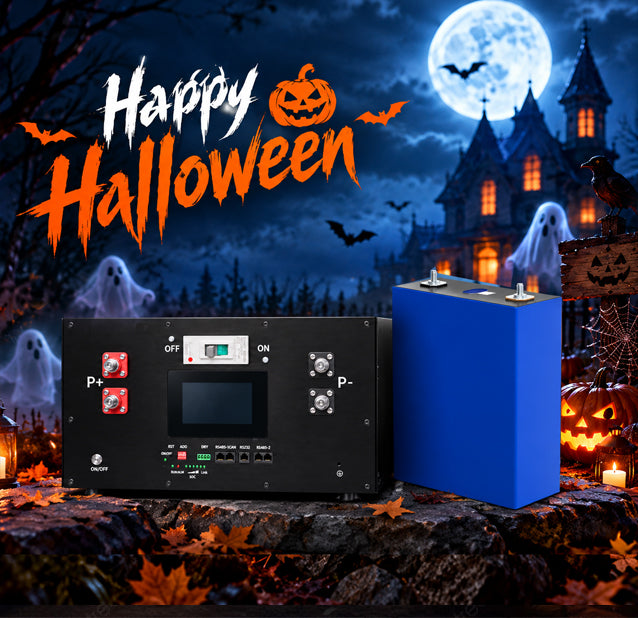
51.2v 15kwh diy battery box
Vorheriger Beitrag
Nächster Beitrag

Hinterlassen Sie einen Kommentar

Alle Blog-Kommentare werden vor der Veröffentlichung geprüft

Danke fürs Abonnieren!

Diese E-Mail wurde registriert!

Kaufen Sie den Look

Wählen Sie Optionen

Option bearbeiten
Back In Stock Notification
Vergleichen
Produkt Artikelnummer Beschreibung Sammlung Verfügbarkeit Produkttyp Weitere Details
Allgemeine Geschäftsbedingungen

This website is operated by Wistek. Throughout the site, the terms “we”, “us” and “our” refer to Wistek. Wistek offers this website, including all information, tools and Services available from this site to you, the user, conditioned upon your acceptance of all terms, conditions, policies and notices stated here

By visiting our site and/ or purchasing something from us, you engage in our “Service” and agree to be bound by the following terms and conditions (“Terms of Service”, “Terms”), including those additional terms and conditions and policies referenced herein and/or available by hyperlink. These Terms of Service apply to all users of the site, including without limitation users who are browsers, vendors, customers, merchants, and/ or contributors of content.

Please read these Terms of Service carefully before accessing or using our website. By accessing or using any part of the site, you agree to be bound by these Terms of Service. If you do not agree to all the terms and conditions of this agreement, then you may not access the website or use any Services. If these Terms of Service are considered an offer, acceptance is expressly limited to these Terms of Service.

Any new features or tools which are added to the current store shall also be subject to the Terms of Service. You can review the most current version of the Terms of Service at any time on this page. We reserve the right to update, change or replace any part of these Terms of Service by posting updates and/or changes to our website. It is your responsibility to check this page periodically for changes. Your continued use of or access to the website following the posting of any changes constitutes acceptance of those changes.

Our store is hosted on Shopify Inc. They provide us with the online e-commerce platform that allows us to sell our products and Services to you.

SECTION 1 - ONLINE STORE TERMS By agreeing to these Terms of Service, you represent that you are at least the age of majority in your state or province of residence, or that you are the age of majority in your state or province of residence and you have given us your consent to allow any of your minor dependents to use this site. You may not use our products for any illegal or unauthorized purpose nor may you, in the use of the Service, violate any laws in your jurisdiction (including but not limited to copyright laws). You must not transmit any worms or viruses or any code of a destructive nature. A breach or violation of any of the Terms will result in an immediate termination of your Services.

SECTION 2 - GENERAL CONDITIONS We reserve the right to refuse Service to anyone for any reason at any time. You understand that your content (not including credit card information), may be transferred unencrypted and involve (a) transmissions over various networks; and (b) changes to conform and adapt to technical requirements of connecting networks or devices. Credit card information is always encrypted during transfer over networks. You agree not to reproduce, duplicate, copy, sell, resell or exploit any portion of the Service, use of the Service, or access to the Service or any contact on the website through which the Service is provided, without express written permission by us. The headings used in this agreement are included for convenience only and will not limit or otherwise affect these Terms.

SECTION 3 - ACCURACY, COMPLETENESS AND TIMELINESS OF INFORMATION We are not responsible if information made available on this site is not accurate, complete or current. The material on this site is provided for general information only and should not be relied upon or used as the sole basis for making decisions without consulting primary, more accurate, more complete or more timely sources of information. Any reliance on the material on this site is at your own risk. This site may contain certain historical information. Historical information, necessarily, is not current and is provided for your reference only. We reserve the right to modify the contents of this site at any time, but we have no obligation to update any information on our site. You agree that it is your responsibility to monitor changes to our site.

SECTION 4 - MODIFICATIONS TO THE SERVICE AND PRICES Prices for our products are subject to change without notice. We reserve the right at any time to modify or discontinue the Service (or any part or content thereof) without notice at any time. We shall not be liable to you or to any third-party for any modification, price change, suspension or discontinuance of the Service.

SECTION 5 - PRODUCTS OR SERVICES (if applicable) Certain products or Services may be available exclusively online through the website. These products or Services may have limited quantities and are subject to return or exchange only according to our Refund Policy: [LINK TO REFUND POLICY] We have made every effort to display as accurately as possible the colors and images of our products that appear at the store. We cannot guarantee that your computer monitor's display of any color will be accurate. We reserve the right, but are not obligated, to limit the sales of our products or Services to any person, geographic region or jurisdiction. We may exercise this right on a case-by-case basis. We reserve the right to limit the quantities of any products or Services that we offer. All descriptions of products or product pricing are subject to change at anytime without notice, at the sole discretion of us. We reserve the right to discontinue any product at any time. Any offer for any product or Service made on this site is void where prohibited. We do not warrant that the quality of any products, Services, information, or other material purchased or obtained by you will meet your expectations, or that any errors in the Service will be corrected.

SECTION 6 - ACCURACY OF BILLING AND ACCOUNT INFORMATION We reserve the right to refuse any order you place with us. We may, in our sole discretion, limit or cancel quantities purchased per person, per household or per order. These restrictions may include orders placed by or under the same customer account, the same credit card, and/or orders that use the same billing and/or shipping address. In the event that we make a change to or cancel an order, we may attempt to notify you by contacting the e‑mail and/or billing address/phone number provided at the time the order was made. We reserve the right to limit or prohibit orders that, in our sole judgment, appear to be placed by dealers, resellers or distributors.

You agree to provide current, complete and accurate purchase and account information for all purchases made at our store. You agree to promptly update your account and other information, including your email address and credit card numbers and expiration dates, so that we can complete your transactions and contact you as needed.

For more details, please review our Refund Policy: [LINK TO REFUND POLICY]

SECTION 7 - OPTIONAL TOOLS We may provide you with access to third-party tools over which we neither monitor nor have any control nor input. You acknowledge and agree that we provide access to such tools ”as is” and “as available” without any warranties, representations or conditions of any kind and without any endorsement. We shall have no liability whatsoever arising from or relating to your use of optional third-party tools. Any use by you of the optional tools offered through the site is entirely at your own risk and discretion and you should ensure that you are familiar with and approve of the terms on which tools are provided by the relevant third-party provider(s). We may also, in the future, offer new Services and/or features through the website (including the release of new tools and resources). Such new features and/or Services shall also be subject to these Terms of Service.

SECTION 8 - THIRD-PARTY LINKS Certain content, products and Services available via our Service may include materials from third-parties. Third-party links on this site may direct you to third-party websites that are not affiliated with us. We are not responsible for examining or evaluating the content or accuracy and we do not warrant and will not have any liability or responsibility for any third-party materials or websites, or for any other materials, products, or Services of third-parties. We are not liable for any harm or damages related to the purchase or use of goods, Services, resources, content, or any other transactions made in connection with any third-party websites. Please review carefully the third-party's policies and practices and make sure you understand them before you engage in any transaction. Complaints, claims, concerns, or questions regarding third-party products should be directed to the third-party.

SECTION 9 - USER COMMENTS, FEEDBACK AND OTHER SUBMISSIONS If, at our request, you send certain specific submissions (for example contest entries) or without a request from us, you send creative ideas, suggestions, proposals, plans, or other materials, whether online, by email, by postal mail, or otherwise (collectively, 'comments'), you agree that we may, at any time, without restriction, edit, copy, publish, distribute, translate and otherwise use in any medium any comments that you forward to us. We are and shall be under no obligation (1) to maintain any comments in confidence; (2) to pay compensation for any comments; or (3) to respond to any comments. We may, but have no obligation to, monitor, edit or remove content that we determine in our sole discretion to be unlawful, offensive, threatening, libelous, defamatory, pornographic, obscene or otherwise objectionable or violates any party’s intellectual property or these Terms of Service. You agree that your comments will not violate any right of any third-party, including copyright, trademark, privacy, personality or other personal or proprietary right. You further agree that your comments will not contain libelous or otherwise unlawful, abusive or obscene material, or contain any computer virus or other malware that could in any way affect the operation of the Service or any related website. You may not use a false e‑mail address, pretend to be someone other than yourself, or otherwise mislead us or third-parties as to the origin of any comments. You are solely responsible for any comments you make and their accuracy. We take no responsibility and assume no liability for any comments posted by you or any third-party.

SECTION 10 - PERSONAL INFORMATION Your submission of personal information through the store is governed by our Privacy Policy, which can be viewed here: [LINK TO PRIVACY POLICY]

SECTION 11 - ERRORS, INACCURACIES AND OMISSIONS Occasionally there may be information on our site or in the Service that contains typographical errors, inaccuracies or omissions that may relate to product descriptions, pricing, promotions, offers, product shipping charges, transit times and availability. We reserve the right to correct any errors, inaccuracies or omissions, and to change or update information or cancel orders if any information in the Service or on any related website is inaccurate at any time without prior notice (including after you have submitted your order). We undertake no obligation to update, amend or clarify information in the Service or on any related website, including without limitation, pricing information, except as required by law. No specified update or refresh date applied in the Service or on any related website, should be taken to indicate that all information in the Service or on any related website has been modified or updated.

SECTION 12 - PROHIBITED USES In addition to other prohibitions as set forth in the Terms of Service, you are prohibited from using the site or its content: (a) for any unlawful purpose; (b) to solicit others to perform or participate in any unlawful acts; (c) to violate any international, federal, provincial or state regulations, rules, laws, or local ordinances; (d) to infringe upon or violate our intellectual property rights or the intellectual property rights of others; (e) to harass, abuse, insult, harm, defame, slander, disparage, intimidate, or discriminate based on gender, sexual orientation, religion, ethnicity, race, age, national origin, or disability; (f) to submit false or misleading information; (g) to upload or transmit viruses or any other type of malicious code that will or may be used in any way that will affect the functionality or operation of the Service or of any related website, other websites, or the Internet; (h) to collect or track the personal information of others; (i) to spam, phish, pharm, pretext, spider, crawl, or scrape; (j) for any obscene or immoral purpose; or (k) to interfere with or circumvent the security features of the Service or any related website, other websites, or the Internet. We reserve the right to terminate your use of the Service or any related website for violating any of the prohibited uses.

SECTION 13 - DISCLAIMER OF WARRANTIES; LIMITATION OF LIABILITY We do not guarantee, represent or warrant that your use of our Service will be uninterrupted, timely, secure or error-free. We do not warrant that the results that may be obtained from the use of the Service will be accurate or reliable. You agree that from time to time we may remove the Service for indefinite periods of time or cancel the Service at any time, without notice to you. You expressly agree that your use of, or inability to use, the Service is at your sole risk. The Service and all products and Services delivered to you through the Service are (except as expressly stated by us) provided 'as is' and 'as available' for your use, without any representation, warranties or conditions of any kind, either express or implied, including all implied warranties or conditions of merchantability, merchantable quality, fitness for a particular purpose, durability, title, and non-infringement.

In no case shall Wistek, our directors, officers, employees, affiliates, agents, contractors, interns, suppliers, Service providers or licensors be liable for any injury, loss, claim, or any direct, indirect, incidental, punitive, special, or consequential damages of any kind, including, without limitation lost profits, lost revenue, lost savings, loss of data, replacement costs, or any similar damages, whether based in contract, tort (including negligence), strict liability or otherwise, arising from your use of any of the Service or any products procured using the Service, or for any other claim related in any way to your use of the Service or any product, including, but not limited to, any errors or omissions in any content, or any loss or damage of any kind incurred as a result of the use of the Service or any content (or product) posted, transmitted, or otherwise made available via the Service, even if advised of their possibility. Because some states or jurisdictions do not allow the exclusion or the limitation of liability for consequential or incidental damages, in such states or jurisdictions, our liability shall be limited to the maximum extent permitted by law.

SECTION 14 - INDEMNIFICATION You agree to indemnify, defend and hold harmless Wistek and our parent, subsidiaries, affiliates, partners, officers, directors, agents, contractors, licensors, Service providers, subcontractors, suppliers, interns and employees, harmless from any claim or demand, including reasonable attorneys’ fees, made by any third-party due to or arising out of your breach of these Terms of Service or the documents they incorporate by reference, or your violation of any law or the rights of a third-party.

SECTION 15 - SEVERABILITY In the event that any provision of these Terms of Service is determined to be unlawful, void or unenforceable, such provision shall nonetheless be enforceable to the fullest extent permitted by applicable law, and the unenforceable portion shall be deemed to be severed from these Terms of Service, such determination shall not affect the validity and enforceability of any other remaining provisions.

SECTION 16 - TERMINATION The obligations and liabilities of the parties incurred prior to the termination date shall survive the termination of this agreement for all purposes. These Terms of Service are effective unless and until terminated by either you or us. You may terminate these Terms of Service at any time by notifying us that you no longer wish to use our Services, or when you cease using our site. If in our sole judgment you fail, or we suspect that you have failed, to comply with any term or provision of these Terms of Service, we also may terminate this agreement at any time without notice and you will remain liable for all amounts due up to and including the date of termination; and/or accordingly may deny you access to our Services (or any part thereof).

SECTION 17 - ENTIRE AGREEMENT The failure of us to exercise or enforce any right or provision of these Terms of Service shall not constitute a waiver of such right or provision. These Terms of Service and any policies or operating rules posted by us on this site or in respect to the Service constitutes the entire agreement and understanding between you and us and governs your use of the Service, superseding any prior or contemporaneous agreements, communications and proposals, whether oral or written, between you and us (including, but not limited to, any prior versions of the Terms of Service). Any ambiguities in the interpretation of these Terms of Service shall not be construed against the drafting party.

SECTION 18 - GOVERNING LAW These Terms of Service and any separate agreements whereby we provide you Services shall be governed by and construed in accordance with the laws of Hong Kong.

SECTION 19 - CHANGES TO TERMS OF SERVICE You can review the most current version of the Terms of Service at any time at this page. We reserve the right, at our sole discretion, to update, change or replace any part of these Terms of Service by posting updates and changes to our website. It is your responsibility to check our website periodically for changes. Your continued use of or access to our website or the Service following the posting of any changes to these Terms of Service constitutes acceptance of those changes.

SECTION 20 - CONTACT INFORMATION Questions about the Terms of Service should be sent to us at wistekxr@gmail.com. Our contact information is posted below: wistekxr@gmail.com.

Wählen Sie Optionen

this is just a warning
Login
Warenkorb
0 Artikel