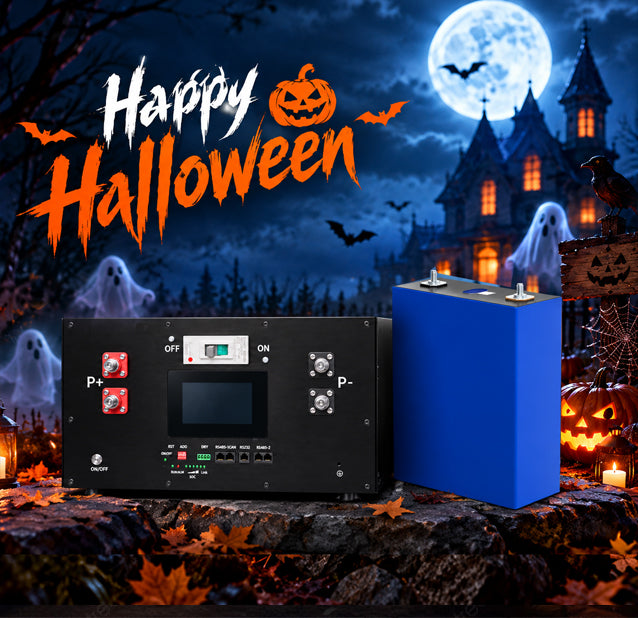
Lithium battery - fuse or breaker?
When designing or upgrading a lithium battery system, one critical question always comes up: should you use a fuse or a circuit breaker for protection? This decision is not just a matter of preference—it directly impacts safety, system reliability, maintenance convenience, and long-term performance. Whether you're building a DIY energy storage system, installing solar batteries, or working with RV or marine setups, understanding the difference between these two protection devices is essential. In this comprehensive guide, we’ll break down everything you need to know about choosing between a fuse and a breaker for a lithium battery system.
- lithium battery protection basics—why safety devices matter
- lithium battery fuse—how it works and when to use it
- lithium battery circuit breaker—features and benefits
- lithium battery fuse vs breaker—key differences explained
- lithium battery system design—choosing the right protection
- lithium battery safety standards and best practices
- lithium battery real-world applications—fuse or breaker?
- lithium battery hybrid approach—using both fuse and breaker
- lithium battery common mistakes to avoid
- lithium battery expert recommendations
- lithium battery future trends in protection technology

Lithium battery protection basics—why safety devices matter
Understanding the risks in lithium battery systems
A lithium battery system stores a large amount of energy in a compact space. While this makes it efficient, it also introduces potential hazards such as:
-
Short circuits
-
Overcurrent conditions
-
Thermal runaway (in extreme cases)
-
Equipment damage
Unlike traditional lead-acid batteries, a lithium battery can deliver extremely high current almost instantly. Without proper protection, even a minor wiring mistake can escalate into a serious safety issue.
The role of fuses and breakers
Both fuses and circuit breakers are designed to protect your system by interrupting excessive current flow. However, they operate differently:
-
Fuse: A one-time-use device that melts when current exceeds a threshold
-
Breaker: A reusable switch that trips when overcurrent occurs
Understanding how each works is the first step toward making the right decision for your lithium battery setup.
Lithium battery fuse—how it works and when to use it
What is a fuse?
A fuse is a simple electrical safety device containing a metal element that melts when current exceeds a specified limit. Once blown, it must be replaced.
Advantages of using a fuse in a lithium battery system
-
Fast response time
Fuses react extremely quickly to overcurrent, often faster than breakers. This is crucial for lithium battery systems where current spikes can happen in milliseconds. -
High reliability
With no moving parts, fuses are less prone to mechanical failure. -
Cost-effective
Fuses are generally cheaper than circuit breakers. -
High interrupt capacity
Many fuses can safely interrupt very high fault currents, making them ideal for large lithium battery banks.
Disadvantages of fuses
-
Single-use: Once blown, they must be replaced
-
Maintenance inconvenience: Requires spare parts on hand
-
No easy reset
Best applications for lithium battery fuses
-
High-current battery banks
-
Systems where maximum protection speed is required
-
Permanent installations with minimal manual intervention
Lithium battery circuit breaker—features and benefits
What is a circuit breaker?
A circuit breaker is an automatic switch that interrupts current flow when it detects an overload or short circuit. Unlike fuses, it can be reset and reused.
Advantages of breakers in lithium battery systems
-
Reusability
After tripping, you can simply reset the breaker instead of replacing it. -
Convenience
Breakers can act as both protection and a manual disconnect switch. -
Ease of troubleshooting
Quickly restore power after identifying and fixing the issue. -
Integration flexibility
Many breakers integrate well with modern lithium battery systems and enclosures.
Disadvantages of circuit breakers
-
Slower response time compared to fuses
-
Higher cost
-
Potential mechanical wear over time
-
Lower interrupt capacity (in some models)
Best use cases for lithium battery breakers
-
DIY systems requiring frequent access
-
RV and marine applications
-
Systems needing manual on/off control
Lithium battery fuse vs breaker—key differences explained
Speed of protection
Fuses generally provide faster protection than breakers. In a lithium battery system, where current spikes can be extremely rapid, this can be a critical advantage.
Convenience and usability
Breakers are far more convenient because they can be reset. This makes them ideal for systems where downtime needs to be minimized.
Cost comparison
-
Fuses: Lower upfront cost
-
Breakers: Higher initial cost but reusable
Safety performance
For pure safety and fault interruption, high-quality fuses often outperform breakers, especially in high-current lithium battery setups.
Maintenance considerations
-
Fuses require replacement
-
Breakers require inspection but not replacement
Lithium battery system design—choosing the right protection
Consider your system size
-
Small systems (under 100Ah): Breakers may be sufficient
-
Medium systems (100–300Ah): Either option works
-
Large systems (300Ah+): Fuses are often preferred
Evaluate current levels
A lithium battery can deliver very high current. Always select protection devices rated appropriately for:
-
Continuous current
-
Peak current
-
Short-circuit current
Installation environment
-
Indoor systems: Either option works
-
Outdoor or harsh environments: Fuses may be more reliable
Accessibility needs
If you need frequent access or manual control, breakers are more practical.
Lithium battery safety standards and best practices
Proper sizing
Never undersize or oversize your fuse or breaker. A poorly sized device can:
-
Fail to protect
-
Trip unnecessarily
-
Damage your lithium battery system
Placement in the system
The protection device should be installed:
-
As close to the battery positive terminal as possible
-
Before any major load or inverter
Coordination with BMS
A Battery Management System (BMS) already provides protection, but it should not replace external devices like fuses or breakers. Instead:
-
Use BMS for internal protection
-
Use fuse/breaker for external circuit protection
Wire compatibility
Ensure your wiring matches the rating of your protection device. Undersized wires can overheat before the fuse or breaker trips.
Lithium battery real-world applications—fuse or breaker?
Solar energy storage systems
In solar setups, many installers prefer:
-
Fuse for battery protection
-
Breaker for system control
This hybrid approach balances safety and usability.
RV and camper systems
Breakers are often favored because:
-
Easy to reset
-
Convenient for mobile environments
Marine applications
Due to harsh conditions:
-
Fuses are often preferred for reliability
-
Breakers used for accessibility
DIY lithium battery builds
DIY users often choose breakers for convenience, but experienced builders typically include both.
Lithium battery hybrid approach—using both fuse and breaker
Why combine both?
Many advanced lithium battery systems use both devices:
-
Fuse: Primary safety protection
-
Breaker: Secondary control and convenience
How to implement
Typical configuration:
-
Battery → Fuse → Breaker → Load
-
Fuse handles catastrophic faults
-
Breaker handles operational control
Benefits of a hybrid system
-
Maximum safety
-
Operational flexibility
-
Reduced downtime
Lithium battery common mistakes to avoid
Relying only on the BMS
A BMS is not a substitute for external protection. Always include a fuse or breaker.
Incorrect sizing
Oversized protection devices can fail to trip during dangerous conditions.
Poor installation location
Installing protection too far from the battery increases risk.
Ignoring manufacturer specifications
Always follow guidelines for your lithium battery and connected equipment.
Lithium battery expert recommendations
When to choose a fuse
-
High-current systems
-
Permanent installations
-
Maximum safety priority
When to choose a breaker
-
Systems requiring frequent access
-
Mobile applications
-
Convenience-focused setups
When to use both
-
Large lithium battery banks
-
Critical systems
-
Professional installations
Lithium battery future trends in protection technology
Smart breakers
Modern breakers now include:
-
Bluetooth monitoring
-
Remote control
-
Real-time diagnostics
Advanced fuse designs
New fuse technologies offer:
-
Better precision
-
Higher interrupt ratings
-
Compact designs
Integration with energy systems
Future lithium battery systems will likely integrate protection directly into modular designs.
Choosing between a fuse and a circuit breaker for your lithium battery system is not a one-size-fits-all decision. Each option has its own strengths and limitations, and the best choice depends on your specific application, system size, and safety priorities. In many cases, the most effective solution is not choosing one over the other but combining both for optimal performance and protection. By understanding how these devices work and applying best practices in system design, you can ensure that your lithium battery setup is not only efficient but also safe and reliable for years to come.